
One thing I’ve become increasingly aware of over the last few years is that safari businesses are no longer simply competing against each other.
They are competing against every seamless digital experience travellers encounter everywhere else in travel.
Flights confirm instantly. Hotels display live availability. Travel platforms allow people to compare prices, routes, and options within minutes.
Then somebody enquires about a safari and suddenly the process slows down dramatically.
Availability needs checking. Pricing needs rebuilding. Supplier confirmations need chasing.
Sometimes the quote arrives several days later.
And by then, momentum has already weakened.
Slow Booking Processes Are Quietly Damaging Your Conversion
I think the safari industry still underestimates how much speed influences confidence.
Travellers are not only comparing prices.
They are evaluating responsiveness, professionalism, and operational reliability.
When a traveller receives a clear, professional itinerary quickly, it sends a strong signal that the operator understands what they are doing.
It reassures them that availability is under control, pricing is accurate, and the safari itself is likely to run smoothly.
That reassurance matters enormously in high-value travel.
Safari bookings often represent major emotional and financial decisions for travellers. Uncertainty creates hesitation very quickly.
And hesitation quietly reduces conversion.
Why Safari Operations Are Naturally Complex
I understand why many operators struggle with speed.
Safari operations are operationally layered in ways many other travel sectors are not.
Even relatively straightforward itineraries may involve multiple suppliers, transfers, park fees, flights, room allocations, experiences, and seasonal pricing structures.
Managing all of that manually takes time.
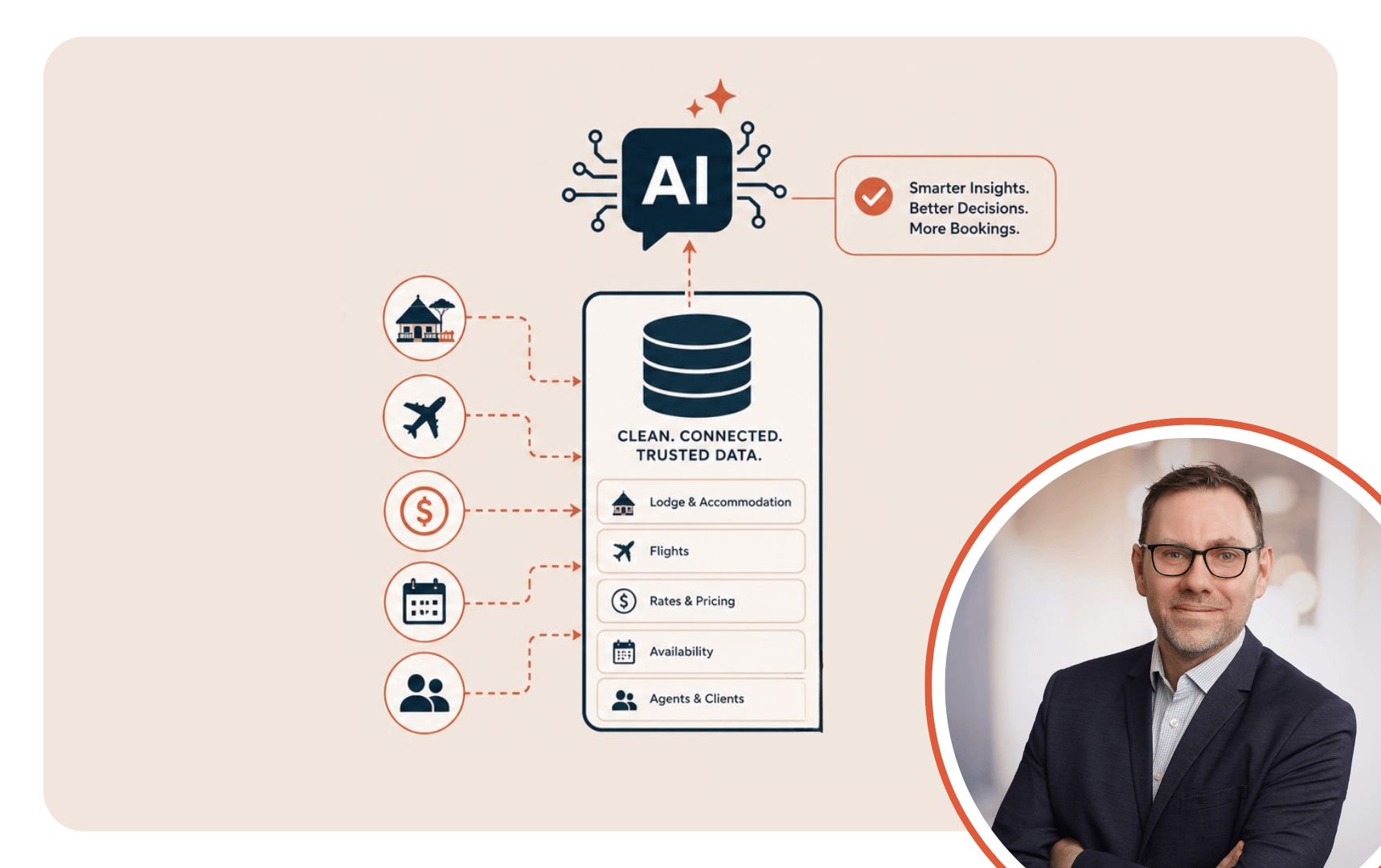
The challenge is that traveller expectations have evolved much faster than the operational systems supporting many safari businesses.
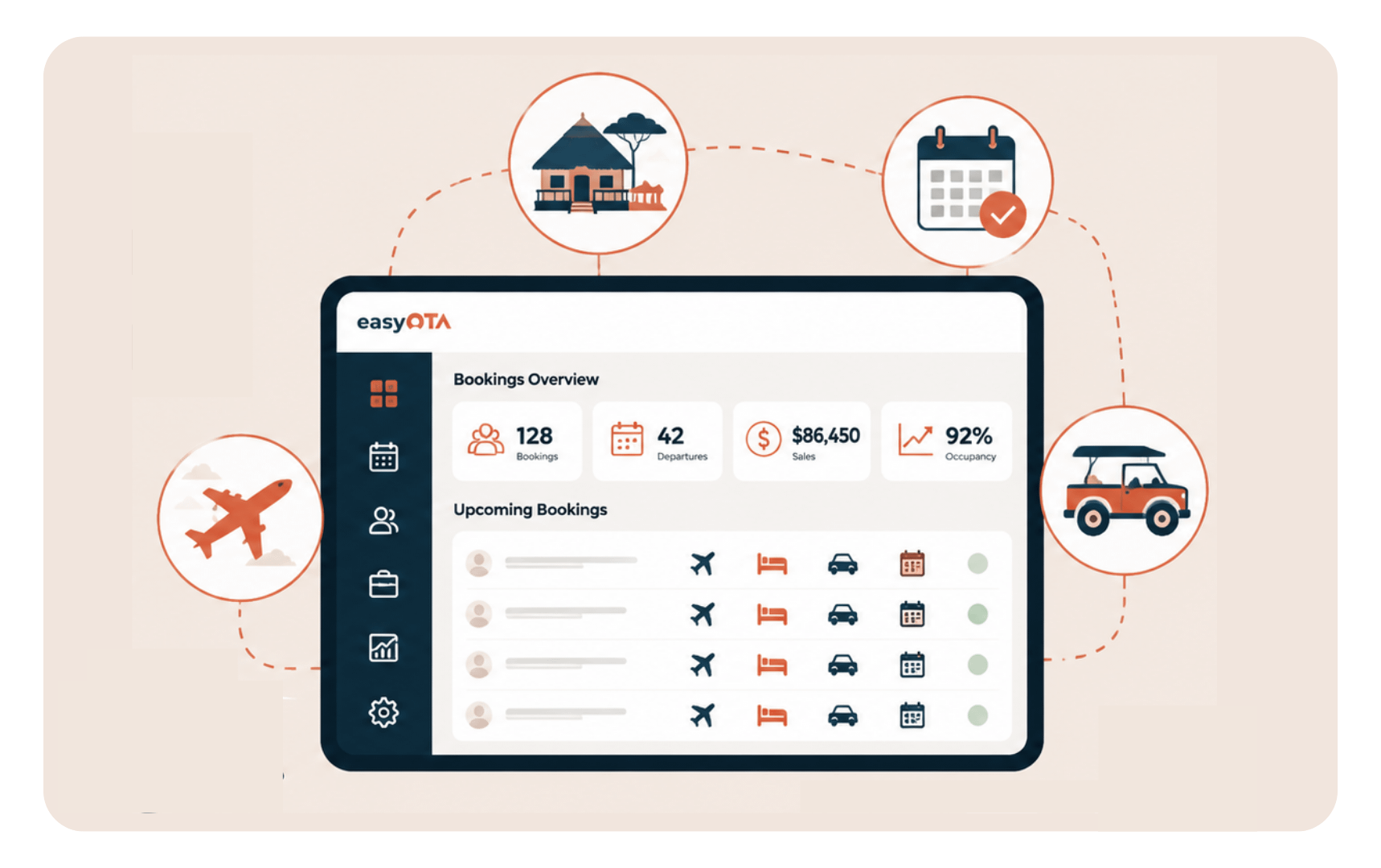
That is why safari-specific booking technology is becoming increasingly important.
Not because the industry needs to become less personal, but because operators need systems capable of supporting modern booking expectations without creating operational overload internally.
Faster Doesn’t Have To Mean Less Personal
One concern I sometimes hear is that improving operational speed will somehow remove the human side of safari.
Personally, I think the opposite is true.
When consultants spend less time rebuilding proposals manually or chasing fragmented information across multiple systems, they gain more time for the parts of safari that actually matter.
The conversations. The recommendations. The storytelling. The expertise.
Technology should support those things rather than compete with them.
The best safari operators will always differentiate themselves through human experience and destination knowledge.
But the systems supporting them should still feel modern.
The Industry Is Entering A Turning Point
I genuinely believe the safari industry is entering a very important phase.
Global demand for experiential travel remains incredibly strong, and travellers continue searching for authentic, meaningful experiences.
But operators relying heavily on slow, fragmented operational systems will increasingly struggle to compete against businesses creating cleaner booking experiences.
The operators moving fastest today are usually simplifying operational friction behind the scenes.
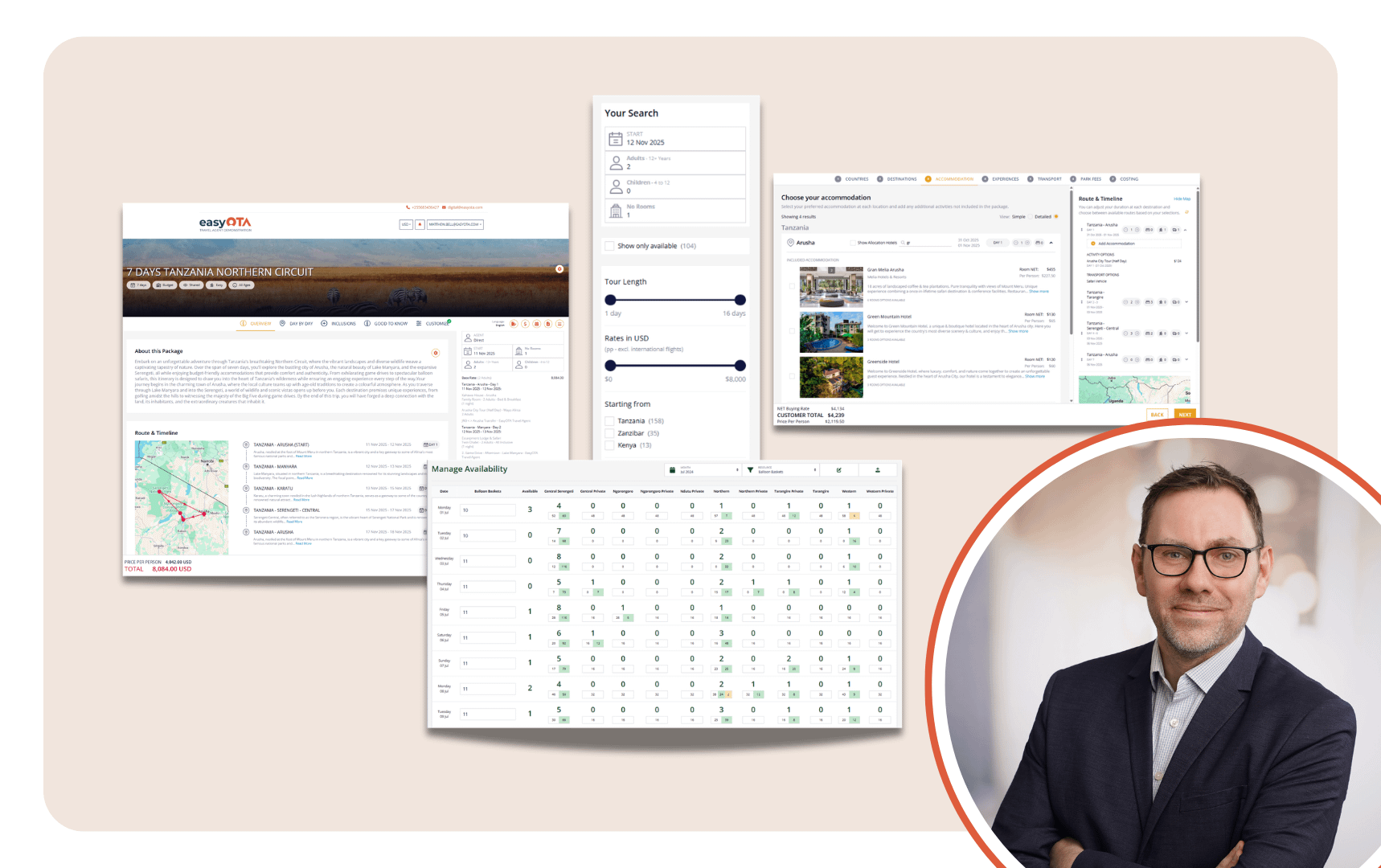
Faster quotes. Cleaner itineraries. Live availability. Better communication. More connected workflows.
None of those things remove the magic of safari.
They simply make it easier for travellers to say yes.
And personally, I think safari should be one of the easiest “yes” decisions a traveller makes.
 Book a demo to see how we support success in our partners.